Halloween science experiments for kids (not too scary)
About this source
Game Tailors
Source: Halloween science experiments for kids (not too scary)
The drawing app where the paper is real. No ads, no accounts, no data collected.
Game Tailors · Schieweg 15Y-40, 2627 AN Delft (NL)
KvK 92437702 · VAT NL866044474B01
info@gametailors.com · +31 6 4227 5919
© 2026 Game Tailors
Halloween
Spooky science that's really real
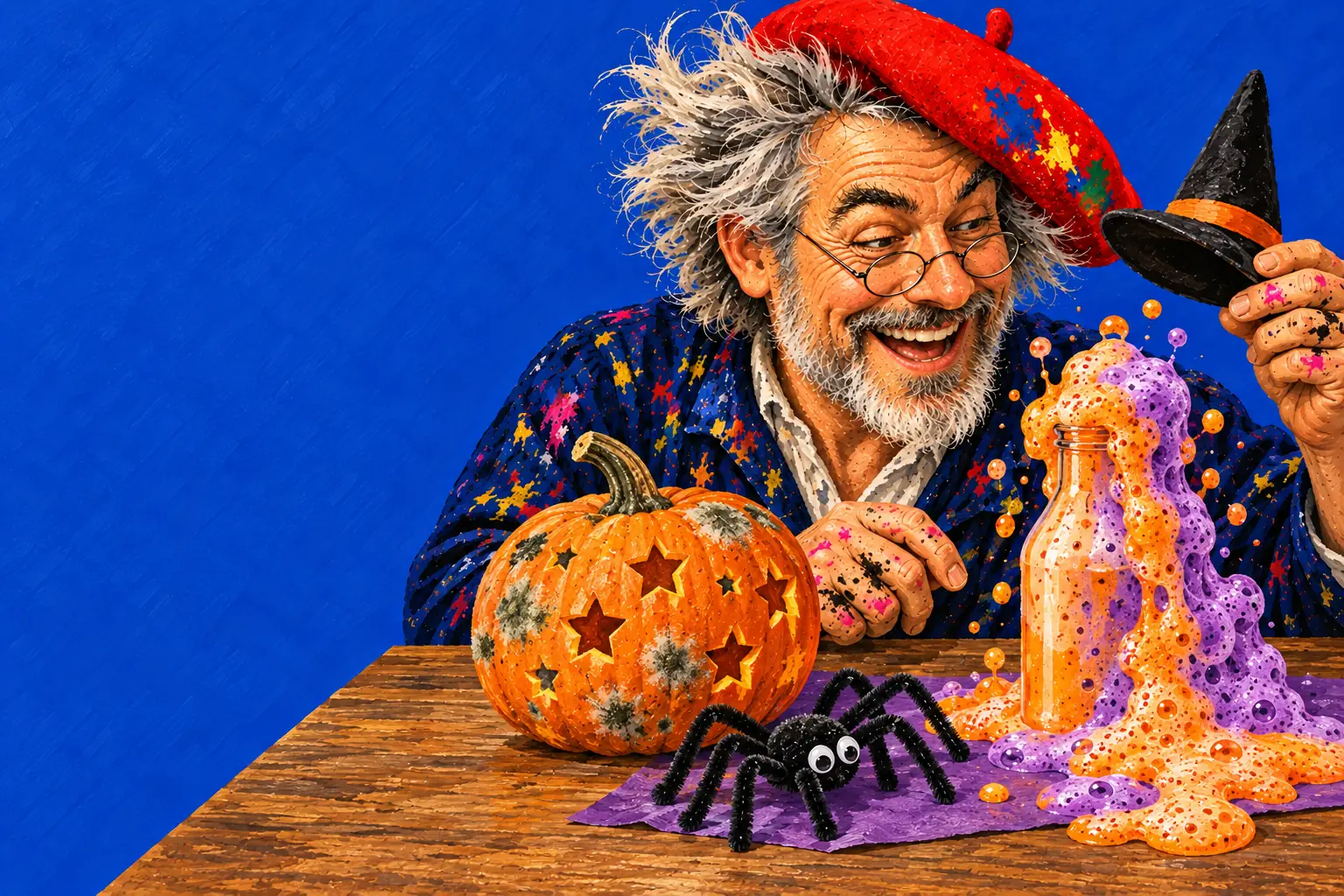
The spookiest things in a kitchen are real science: mould that creeps over food in a few days, a potion that foams out of a bottle, and ghosts that appear when you paint over them. Try them on the screen, then the friendly versions for real.
- Ages 5+
- Friendly, not scary
- With an adult
Age
5 to 10
Time
20 min, plus a week of watching mould
Mess
Low to medium
Adult needed
For the iron and the foam
You need
Crayons, watercolours, bread, a zip bag
On screen / for real
Both
In Extreme Drawing
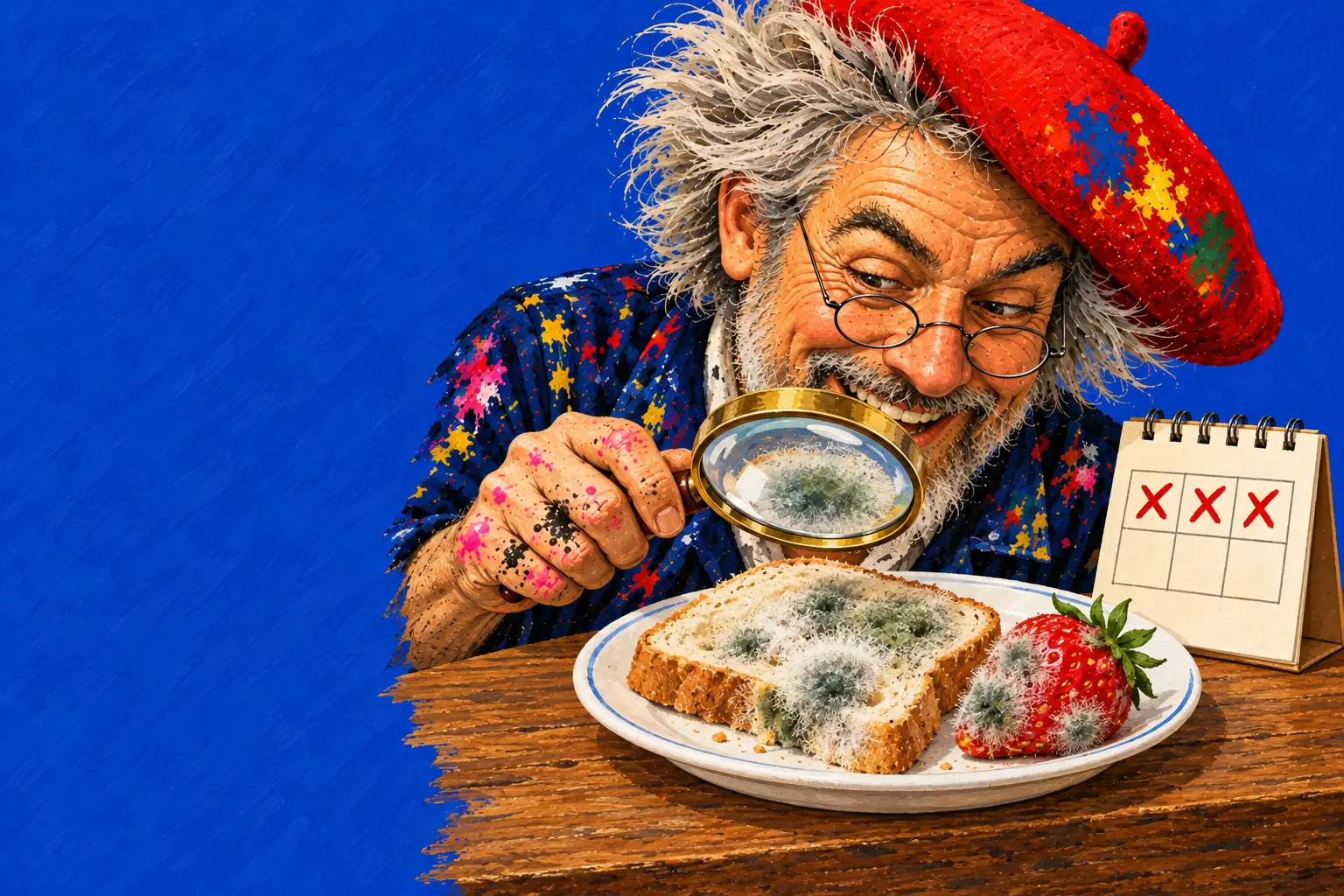
A mouldy feast. Squeeze ketchup and honey, drop an egg and some fruit, then tap Wait 3 days on the Time tab. Mould colonies bloom on the food in blue-green, white fuzz, black spots and orange, the fruit shrivels, and fruit flies arrive. Salt shaken on beforehand keeps a patch clean.
A foaming potion. On the Science tab, Eruptions has elephant toothpaste: a fat, stripy snake of foam pushes out of the bottle, and the spot under the bottle gets warm.
A ghost that appears. Draw a ghost with the white crayon, then wash dark watercolour over the page. The wax keeps the paint off, and the ghost shows up white.
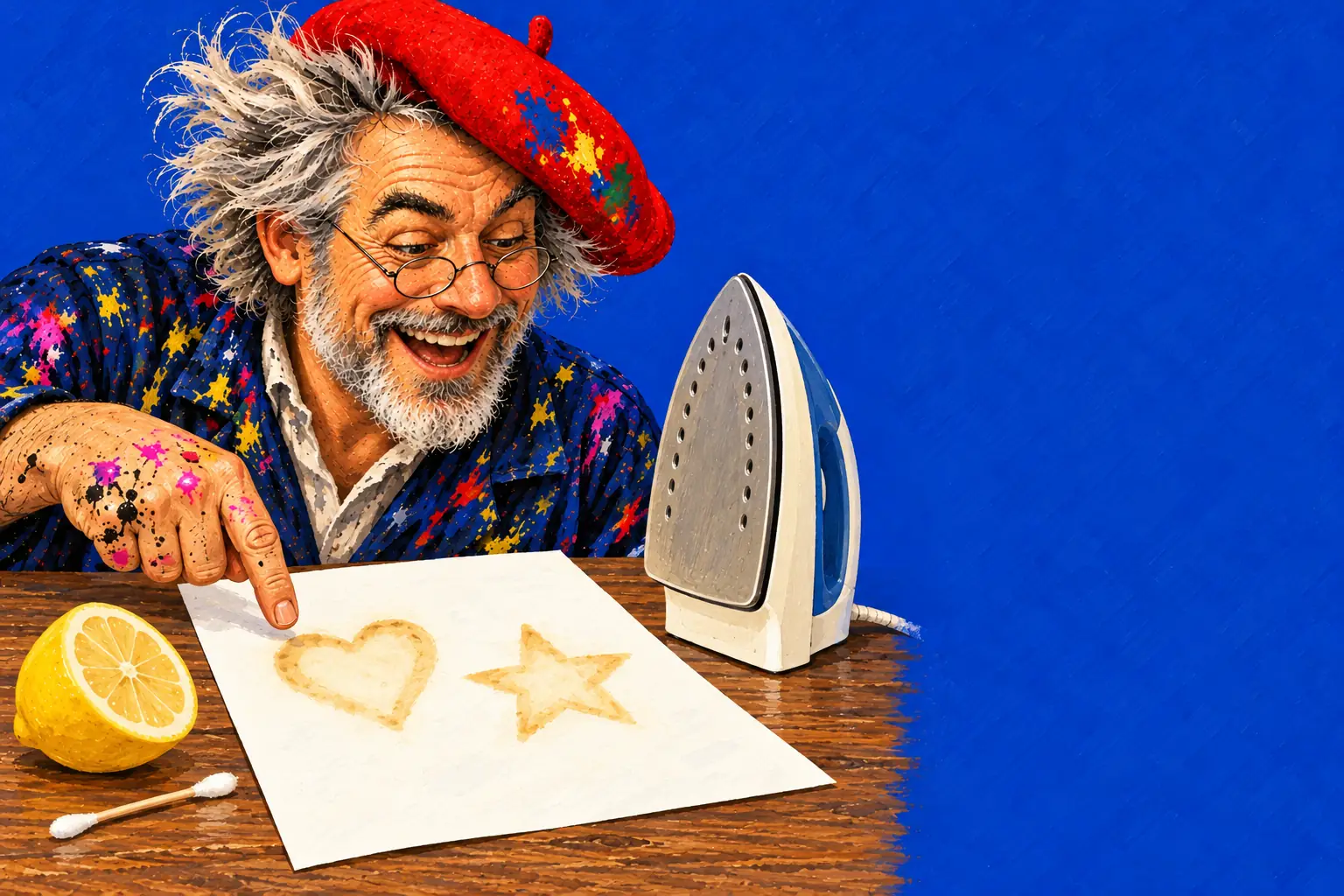
A secret message. Write with Secret ink (lemon juice) on the Science tab, then pass the iron from the Toolbox over it. The writing turns brown.
Use the Moon stencil for a night sky. Scratch art (scratching a toothpick through dark paint to the crayon underneath) and googly eyes are in Craft (in the full toolbox).
For the ghost picture:
white crayon (or a candle stub)
thick white paper
dark watercolour: black, purple or dark blue
a big soft brush
For the mould watch:
a slice of bread or a piece of soft fruit
a few drops of water
a zip bag or a jar with a lid
sticky tape and a pen
Draw an invisible ghost
Press hard with the white crayon: a ghost, a bat, a spider web. You can hardly see it.Paint the night
Brush watery dark paint over the whole page. The ghost appears, because the wax pushes the paint away.Set up the mould watch
Sprinkle a few drops of water on the bread, put it in the bag and seal it. Tape it shut.Label it
Write the date on the tape. Put the bag somewhere warm, out of reach of little ones.Look every day
Look through the bag, don't open it. Draw what you see: colour, fuzz, where it started.Throw it away closed
After a week, an adult puts the sealed bag in the bin without opening it.

Why it works
For kids: Wax and water don't mix, so the paint slides off the crayon. Mould is a tiny living thing that grows from spores floating in the air. It loves damp food and warmth.
For grown-ups: Crayon wax is hydrophobic and fills the paper's fibres, so a water-based wash can't soak in there (wax resist). Mould spores are everywhere in the air; on damp, sugary or starchy food they germinate and send out threads (hyphae), and the coloured spots are the spore-making parts. Salt and drying hold mould back by taking away the water it needs. Lemon-juice ink browns with heat because its sugars and acids char at a lower temperature than the paper.
What are easy Halloween science experiments for kids?
A crayon ghost that appears under dark paint, a mould watch in a sealed bag, and lemon-juice secret messages that an adult reveals with a warm iron.
How long does it take for bread to go mouldy?
Usually several days to a week in a warm place, faster if the bread is damp. In the app, Wait 3 days shows it at once.
Is mould dangerous?
Some moulds can make people ill, especially people with asthma or allergies. Keep it sealed, don't sniff it, never eat it, and throw it away closed.
Can I make elephant toothpaste at home?
Only the household version, with 3% hydrogen peroxide and yeast, done by an adult wearing goggles. Our elephant toothpaste page explains it.
More spooky science
Mould in 3 days
What grows, why, and what stops it.
Crayon resist
The wax trick behind the ghost picture.
Invisible ink
Lemon-juice messages that appear with heat.